Hard hats, or helmets, are protective equipment required in the construction industry to prevent head injuries.
These helmets are made from high-density polyethylene (HDPE), a nonconductor of electricity. They also have foam lining and suspension systems made of vinyl, nylon, or molded HDPE.
This cushions workers against electric shocks and acts as a shock absorber.
Shipbuilding industry workers wore the first documented hard hats. These industry workers would cover their hats with tar and cure them in the sun. The hats protected their heads from objects dropped into the ship decks.
Edward W. Bullard invented the first commercially available hard hat in 1919. Edward Bullard was a graduate of the University of California and the son of a mining equipment seller (Edward Dickinson Bullard).
Upon completing his university degree, he returned home to work in E.D Bullard Co., his father’s company, which sold mining equipment such as carbide lamps to gold and copper miners.
During this time, he noticed a need for protective headgear and created a prototype.
He made his first design inspired by the doughboy helmet he wore when he served in the army during WWI. Edward made the “hard-boiled hat” with steamed canvas, cork, and glue.
This model quickly became popular with miners and spread the safety culture to other industries as it protected workers from falling debris. The US Navy adopted the model for their deck workers that same year.
Edward Bullard would later make and patent several improvements to his original prototype, such as an adjustable suspension system to make his hat more effective.
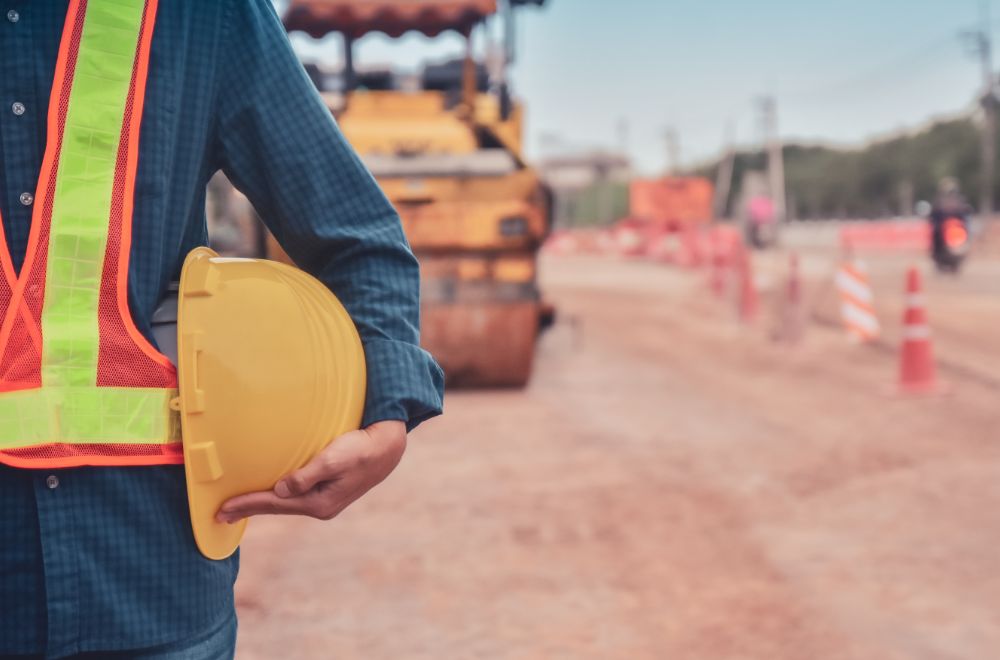
Since the invention of the hard hat, several innovations in safety helmets have occurred over the years.
Today, safety helmet accessories are more sophisticated and include advanced technologies such as augmented reality glasses, ear muffs, and air filtration systems.
Most recent advances in technology in safety helmets include smart hard hats with IoT devices.
These smart helmets are ideal for lone workers as they have sensors that relay information about a worker’s location and a microphone and camera for voice and video call capabilities.
Helmets also come in an assortment of colors. These color codes help to identify the user’s rank and help with workplace organization.
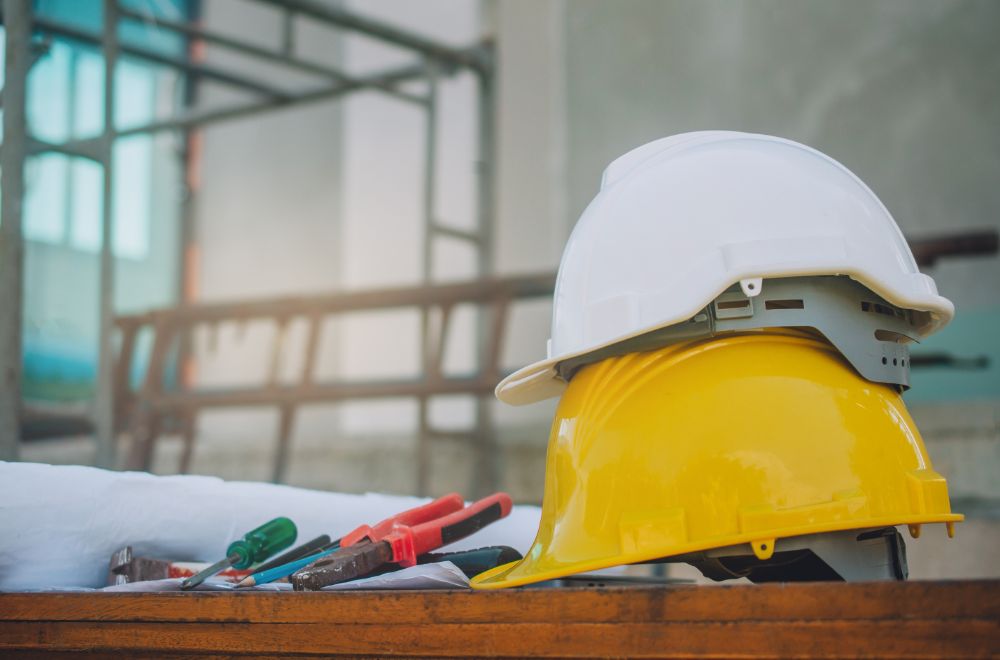
For instance, the color for road construction workers’ helmets is orange, while supervisors, foremen, and engineers wear white.
In 2021, the global safety helmet market was worth an estimated $3.9 billion.
Most construction safety helmets on the market are made from polyethylene as it is cheap and provides better head protection even against the shock of blows from falling objects.
In terms of research, scientists are working on developing new materials that will be lighter yet more durable than current hard hats.
These materials include polyurethanes that are able to dissipate energy.
Head and brain injuries are among the most common injuries in the construction industry.
According to OSHA, construction workers must wear hard hats if there’s a risk of electrical shocks, objects falling from above, or other objects that workers may bump into.
There are five main types of hard hats on the market as classified by ANSI standards:
If you’re looking for the best hard hats on the market, here’s a list to help you out:
As hard hats technology continues to advance, it’s important for contractors to ensure that their workers are protected with the best safety helmets available. Familiarize yourself with the local occupational health and safety regulations so that you can remain compliant when it comes to hard hats in construction.
References

Although construction employees are only 6% of the US workforce, they make up an estimated 20% of workplace deaths. Working in the construction industry comes…
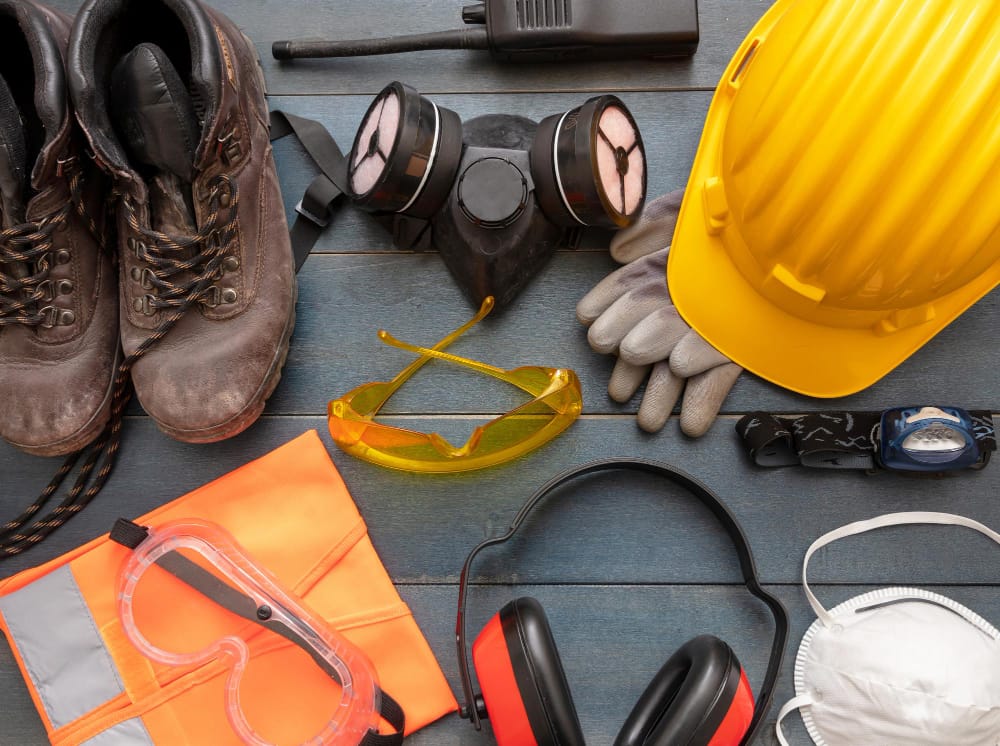
Did you know the construction industry accounts for 20% of work-related injuries in the private sector? Considering construction contractors account for only 5% of the…
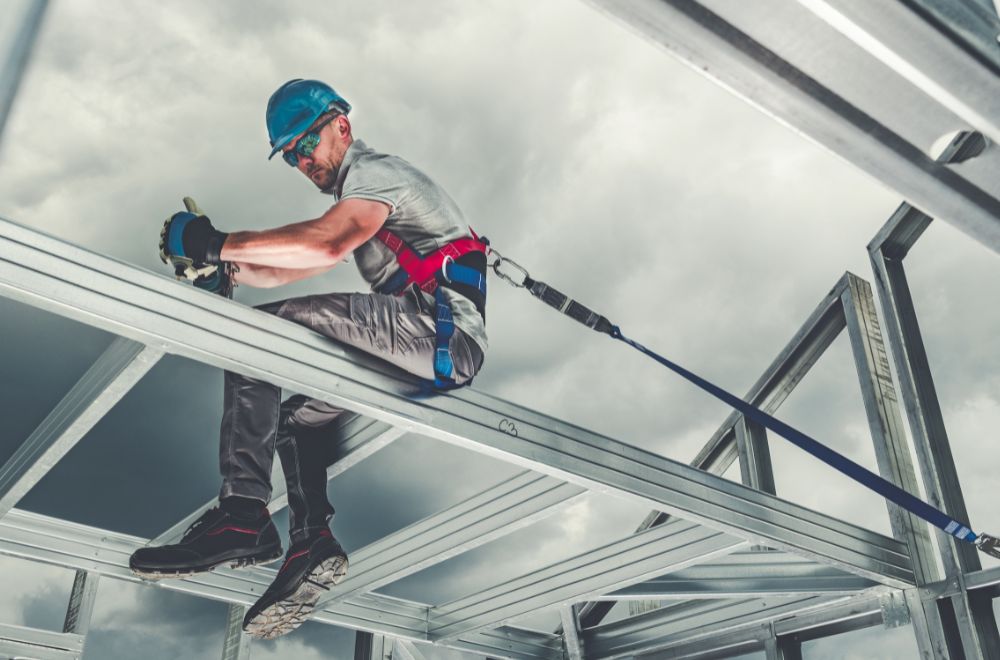
Fall protection equipment refers to systems or devices that are used to protect workers from the dangers of falling while they are performing their duties.…
Selected as #1 by top ENR General Contractors. Loved by thousands of Trade Contractors across the US.