Did you know the construction industry accounts for 20% of work-related injuries in the private sector? Considering construction contractors account for only 5% of the private sector workers, that’s a large number of work-related injuries.
These statistics show the need for continuous improvement in safety and safety-related equipment and workwear.
This article explores different types of construction safety attire and how they protect your employees from potential hazards to prevent injuries and construction deaths.
It’s standard that construction worker attire is safe, comfortable, and functional. However, there are various categories of construction workwear that serve different purposes. We outline these below.
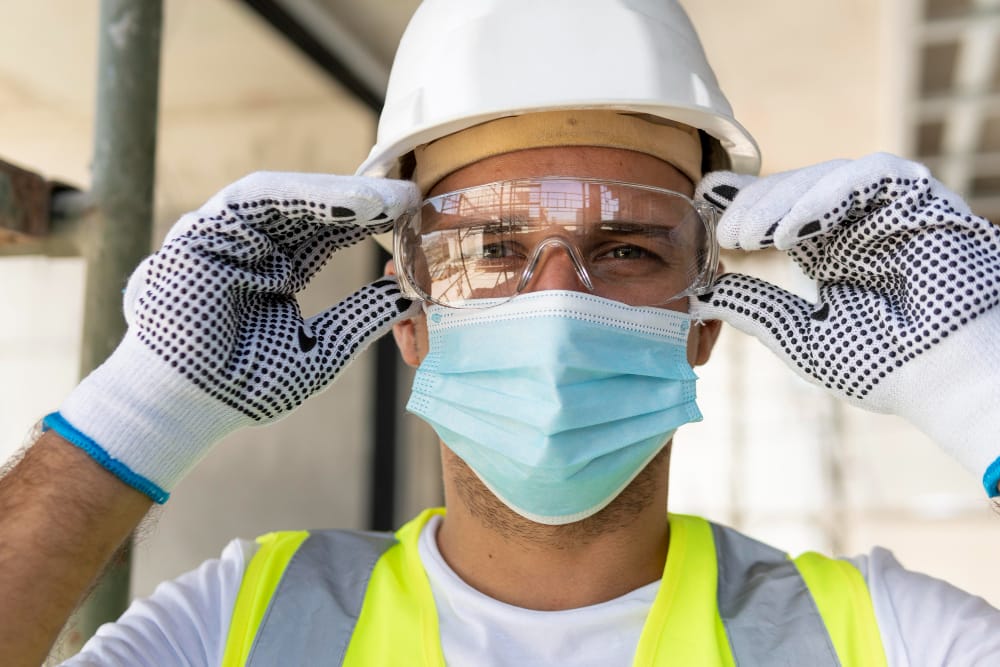
Eye protection equipment protects workers’ eyes from injuries caused by hazardous chemicals, flying debris, dust, and blinding light.
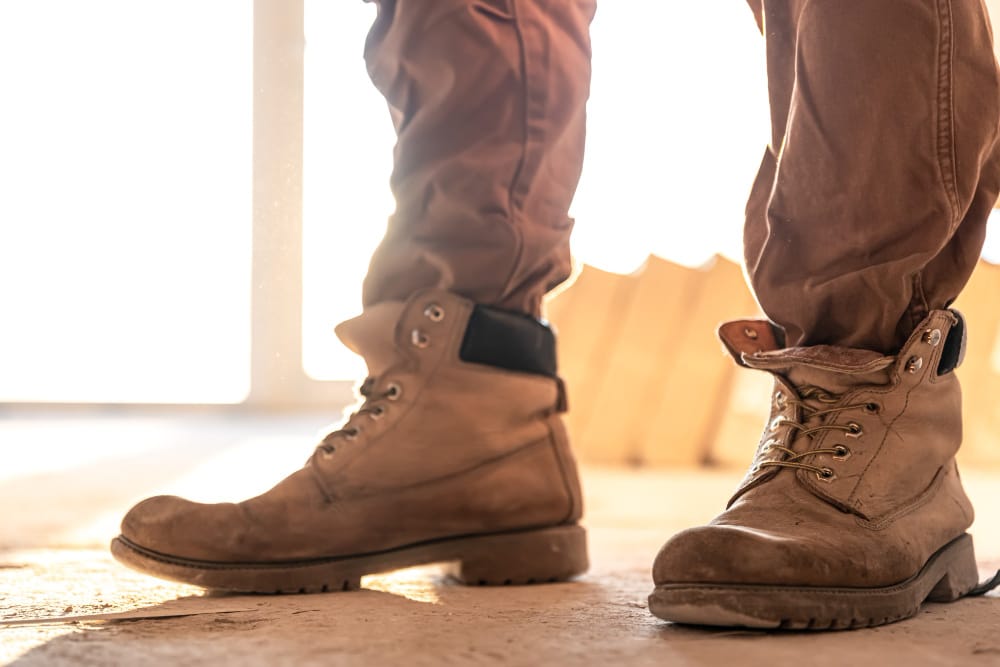
Effective work boots protect your workers from foot injury caused by electric shock, slippery surfaces, sharp objects, falling objects, and other hazards.
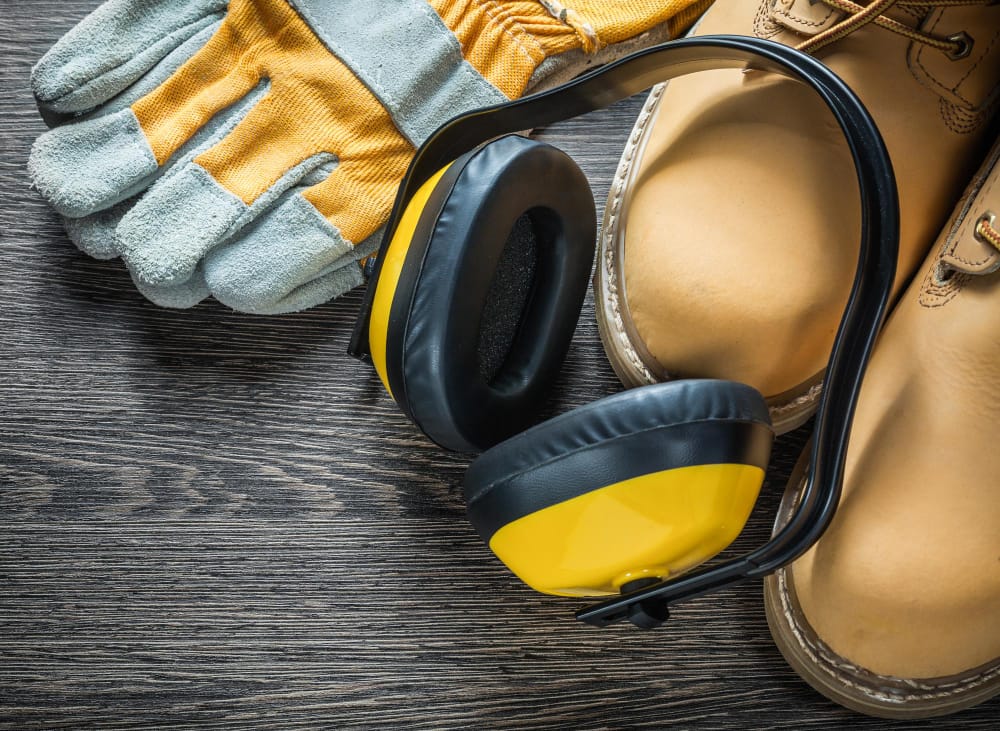
Ear protection equipment is an important part of construction site outfits, especially when working on noisy construction projects. However, it isn’t uncommon to find construction managers not equipping their workers with ear protection equipment.
Below are the two types of ear protection equipment you should invest in.
In most cases, death during construction jobs occurs after a fall. Therefore, the best way to reduce fatal injury rates is to equip your workers with the right head protection gear.
Hand injuries cost between $540 and $26,000 to treat. So, to protect your workers and save costs, equip your construction workers with hand gear. This will help protect them from chemical spills, cuts, abrasions, sprains, and more.
High-visibility vests and other clothing are also important items of construction safety workwear.
Construction vests (reflective safety vests) are important for construction managers because they increase visibility and help identify workers. They’re also convenient for construction workers because they have pockets to hold tools and other items.
Another important example of construction work clothes is work pants.
Different types of construction work pants include:
The durable material used to make work pants protects workers from extreme cold and heat.
In the past few years, we’ve seen significant evolution in construction site attire and personal protective equipment (PPE). Manufacturers continue to innovate and develop new products to meet construction workers’ changing needs and demands.
One crucial area of innovation in construction site attire is the integration of new technologies and materials.
Some of the latest innovations in wearable safety in construction include items such as smart watches, smart boots, smart helmets, and smart vests. These innovations help prevent injuries and enable construction managers to uphold better safety standards on their construction sites.
Customers are also demanding construction work clothes to be comfortable and functional. Therefore, manufacturers are now using new materials to meet these demands, including:
Investing in construction workwear is one of the best ways to improve safety standards on construction sites. Keeping up with new digital safety technologies is also key.
To ensure your workers follow your new safety regulations, check out SkillSignal.
With our app, you can better manage and eliminate hazard risks in real time. You can also improve employee morale, manage compliance with safety regulations, and improve your profit margins overall.
Reference List

Construction is one of the main contributors to the United States economy. Over 680,000 people work as employers, while over 7 million work as employees.…
Health and safety in the construction industry are not to be taken lightly. This seems like a given due to the high-risk nature of the…
Construction’s mental health crisis is very real. There are many factors that contribute to mental health issues, however construction workers don't have it easy to…
Selected as #1 by top ENR General Contractors. Loved by thousands of Trade Contractors across the US.